
Employee wellness ideas your whole team will attend
Employee wellness ideas that teams attend happen in work time, for everyone at once. Five ideas, and the evidence on who comes, which to pick and how to tell it was worth running.
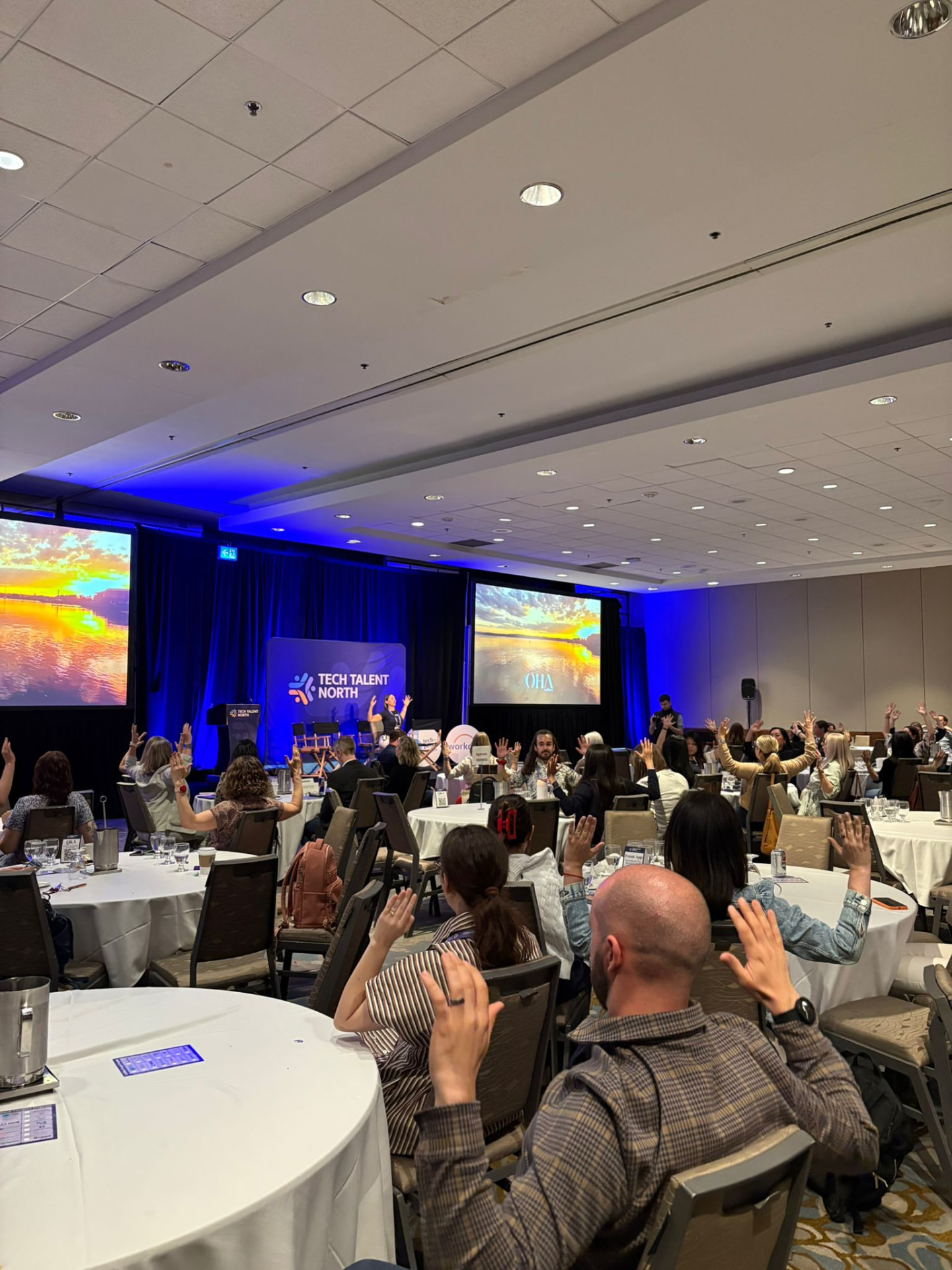
Employee wellness ideas that a whole team will attend are easiest to run in work time, in the team's own space, for everyone at once. One reason is selection. In a large randomized study of a workplace wellness program, the employees who took part were already healthier than those who did not.
That shapes the list below. The five ideas are chosen for who will actually turn up, not for how they read in a benefits guide, and each comes with what the research says about an idea like it. If you are an HR lead deciding what to put in front of a team, start with who will be in the room.
Why do wellness programs draw the people who need them least?
Because people choose whether to join, and the ones who choose are not a random sample. In the Illinois Workplace Wellness Study, published in 2019, researchers designed a workplace wellness program for a large employer and randomly assigned program eligibility and financial incentives to nearly 5,000 employees. In the year before the program began, the employees who took part already had lower medical expenditures and healthier behaviours than those who did not.
That is the problem any optional program has to solve. The remedy is in the design: invite the whole team as part of the working day, so that attending is the default and not a personal decision. Every idea below is built that way.
What can a wellness session change, and what can it not?
A session can give a team a pause and a skill. It cannot change the work that is pressing on them. The World Health Organization draws the same line in its fact sheet on mental health at work: interventions for individuals build skills to manage stress and reduce mental health symptoms, while organizational interventions assess, and then mitigate, modify or remove workplace risks to mental health. A session belongs to the first kind.
The Illinois study shows why a buyer should know which kind they are buying. After more than two years, its authors found no significant causal effects of the program on total medical expenditures, other health behaviours, employee productivity or self-reported health status, although it did persistently raise health screening rates. It tested one comprehensive program, so it says nothing about any single activity either way. Read it as a reason to say in advance what an idea is for.
If the pressure on your team is a heavy calendar, slow approvals or unclear hand-offs, a session helps people carry it and a change to the work lightens it. They do different jobs, and you can do both. OHA's Five Loads name the kinds of pressure the work itself can carry: decisional, cognitive, emotional, relational and administrative.
Which employee wellness ideas work for a whole team?
The ones a whole team can do together in work time, without equipment or a change of clothes. These five meet that test, and OHA leads each of them in English or French, in your office or online.
A guided breathing or mindfulness break. Thirty minutes at the start of a team meeting, seated, led by a facilitator. It asks for attention and nothing else, which makes it the easiest first idea to run.
Seated movement. Chair-based stretching and mobility needs no mat and no change of clothes, so nobody has a reason to opt out. It suits teams that spend the day at a screen.
A stress workshop on one pressure the team carries. Rather than stress in general, the facilitator takes a specific one, such as back-to-back meetings or a restructuring, and the team leaves with tools for that. It sits close to our page on workplace stress management.
A wellness day in your office. Several short sessions across one day, with groups rotating through, so a larger site reaches many teams without pulling everyone out at the same time.
A live virtual session for a distributed team. The group stays together on screen with a facilitator, which a recorded video does not give you: one shared hour that everyone holds. The formats OHA offers are listed on our page for corporate wellness sessions.
Does it matter whether you choose breathing, movement or meditation?
Less than whether the team will do it. A randomized controlled trial published in 2015 compared self-help physical activity, mindfulness meditation and slow breathing with a heart rate variability biofeedback device. It found no significant difference between them in reducing stress and its related symptoms.
The researchers allocated 126 participants to the three groups, and 76 agreed to take part. Over five weeks, participants did daily exercises at home and completed questionnaires before, right after and six weeks after. Across the three groups they reported lower stress. It was self-help at home, so it cannot tell you how a team session goes.
What it offers a planner is permission. With no activity ahead of the others in this trial, the best choice is the one your people will turn up for. Ask the team, offer two, and start with the one that gets more hands up.
How do you know an idea was worth running?
Count who came, ask the same short question before and after, and keep the result next to any change you made to the work. A 2026 systematic review in the Scandinavian Journal of Work, Environment & Health looked at occupational health interventions covering mental health, physical health and workplace atmosphere. Of 2,624 studies identified, 68 met its criteria and 23 went into the meta-analysis. It found a non-significant reduction in absenteeism, 0.18 fewer sick days on average, and a tendency toward a positive return on investment, with statistical uncertainty.
Its authors add that the absence result does not necessarily mean a lack of effect, and they urge standardized evaluation. For one session, attendance and a zero-to-ten stress check-in before and after are enough to begin. If the same pressure keeps appearing, the next step is to measure the load, not to book another session.
What OHA does about this
OHA leads wellness sessions for teams in your own office, in English or French: guided breathing, seated movement, meditation and workshops on a pressure your team carries, from a short session to a full wellness day. When the same pressure keeps returning, the sessions can sit inside a measured 90-day Capacity Circle™. Book a session with OHA and tell us the team and the date.
Book a Capacity DiagnosticSources
- Quarterly Journal of Economics (Oxford University Press), What do Workplace Wellness Programs do?, 2019.
- World Health Organization, Mental health at work (fact sheet), 2026.
- Applied Psychophysiology and Biofeedback, Physical activity, mindfulness meditation, or HRV biofeedback for stress, 2015.
- Scandinavian Journal of Work, Environment & Health, Occupational health interventions: absenteeism and returns, 2026.