Lunch and learn topics your team will use that afternoon
A lunch and learn is a short practical session over the lunch hour. Sixteen topics in four groups, how to choose one, how to host it and what makes it useful.
OHA Team, OHA Wellness
Published · Updated · Practice · 6 min
The short answer
A lunch and learn is a short practical session held over the lunch hour. Choose the topic from what people ask for, keep it to one idea and end with something each person can use that afternoon.
On this page
A lunch and learn is a short session, usually 45 to 60 minutes, held over the lunch hour, where employees eat and learn something practical. The best ones are chosen from what people ask for, led by someone who knows the subject, and leave each person with one practice they can use that afternoon.
This post is for whoever organizes them: HR, an office manager, a team lead. It lists sixteen lunch and learn topics in four groups, shows how to pick one, covers how to host it and says what separates a useful session from a box ticked.
What are good lunch and learn topics for employees?
The ones your people would use that same week, and have already asked about. Here are the best lunch and learn topics we would start with, in four groups. Pick one per session.
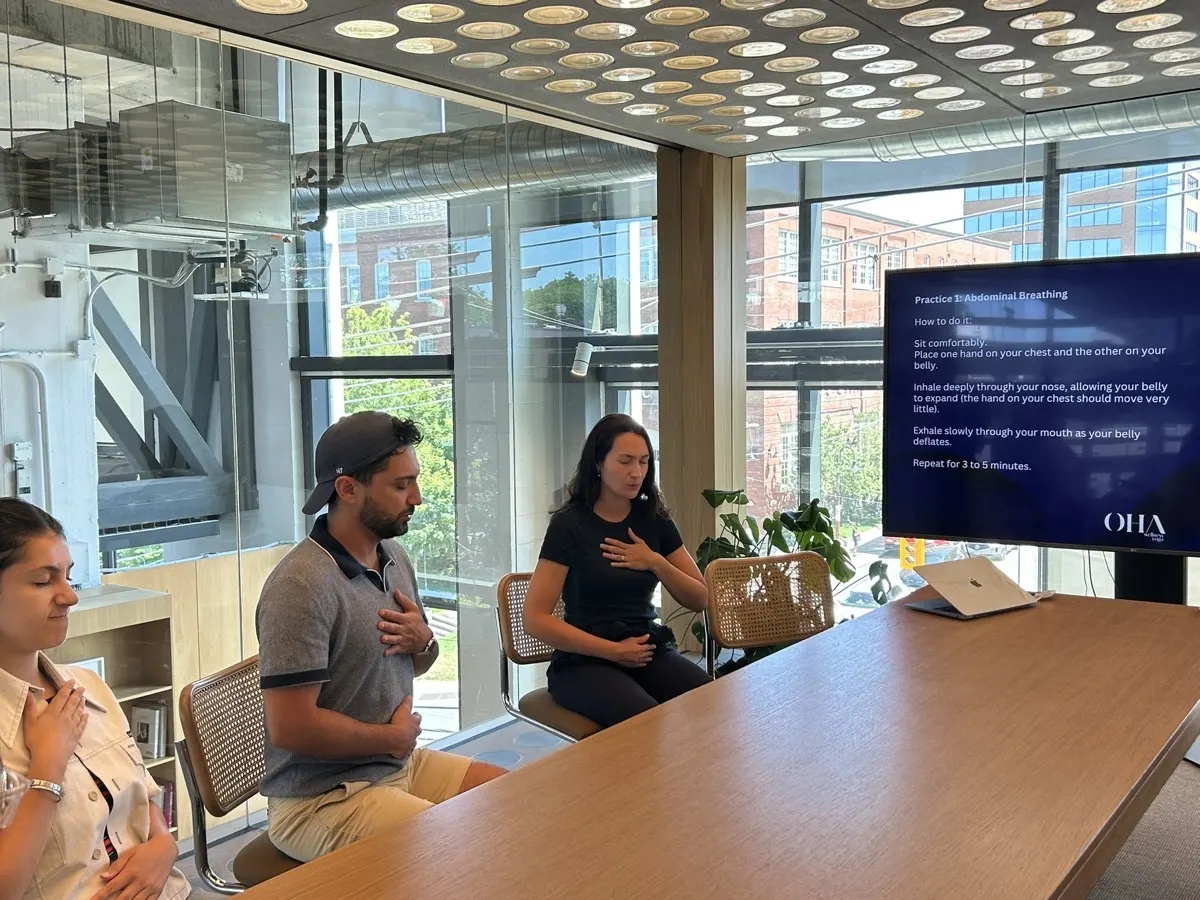
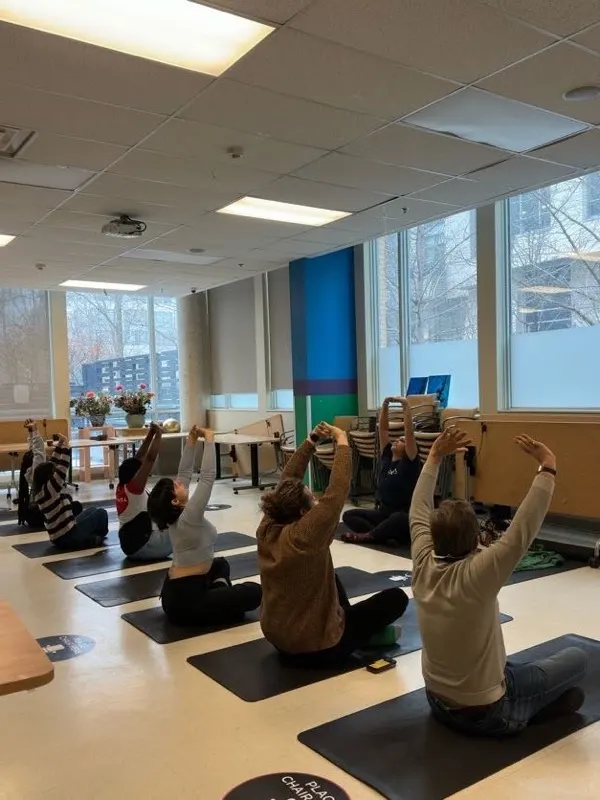
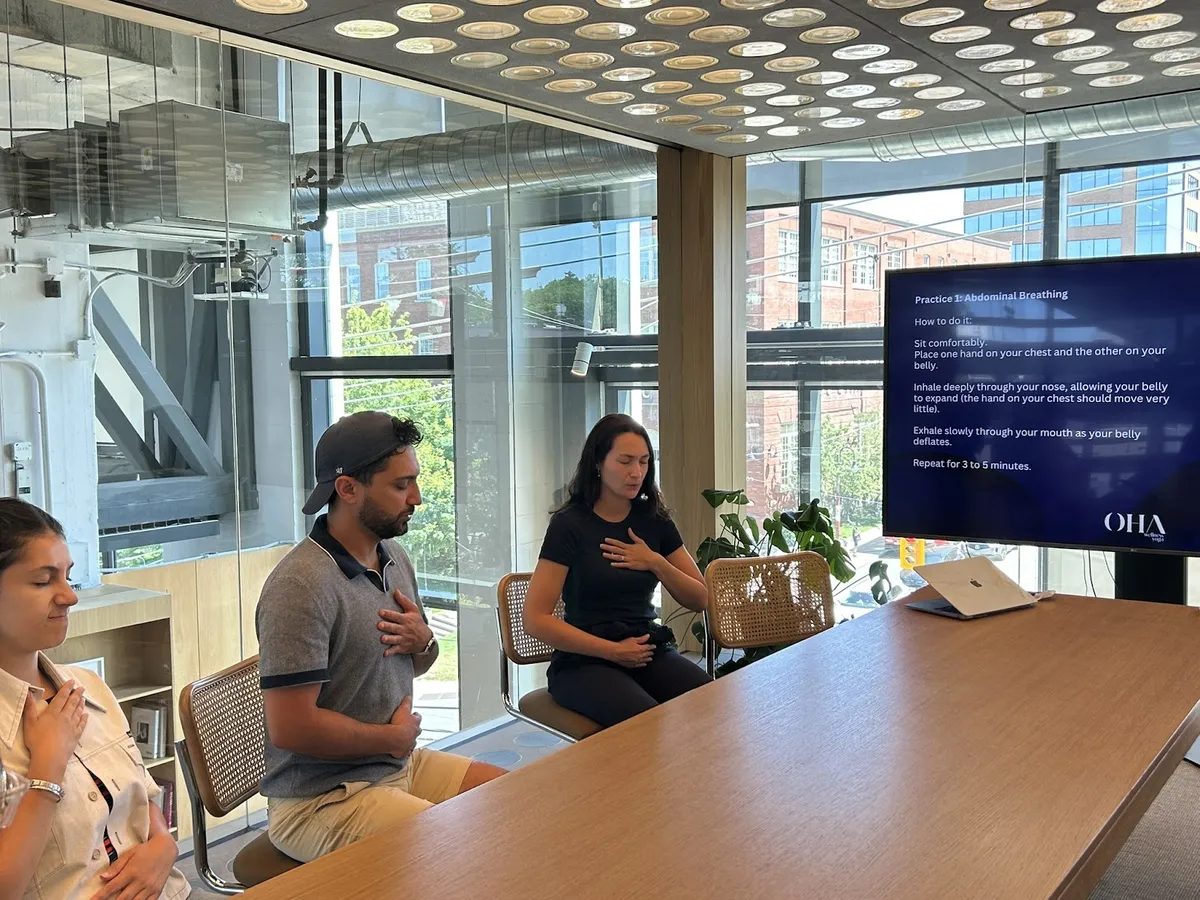
Wellbeing and recovery. For health and wellness lunch and learn topics, start with recovering during the workday: which breaks work and which do not. Then five-minute breathing exercises the group can do at the table, how to handle stress when pressure spikes (see our post on a stress management workshop for employees), and habits for sleep and energy across a working day.
Workload and focus. Protecting focus time from meetings and notifications. Meetings that earn their place: when to hold one, who to invite and what a good one ends with. Deciding what to drop when everything is urgent. Handoffs and approvals: how to take one step out of a process the team uses every week.
Managers and teams. A hard conversation, step by step. Feedback people can use. Noticing when a colleague is overloaded and what to say. A ten-minute team check-in that a manager can run alone the next day.
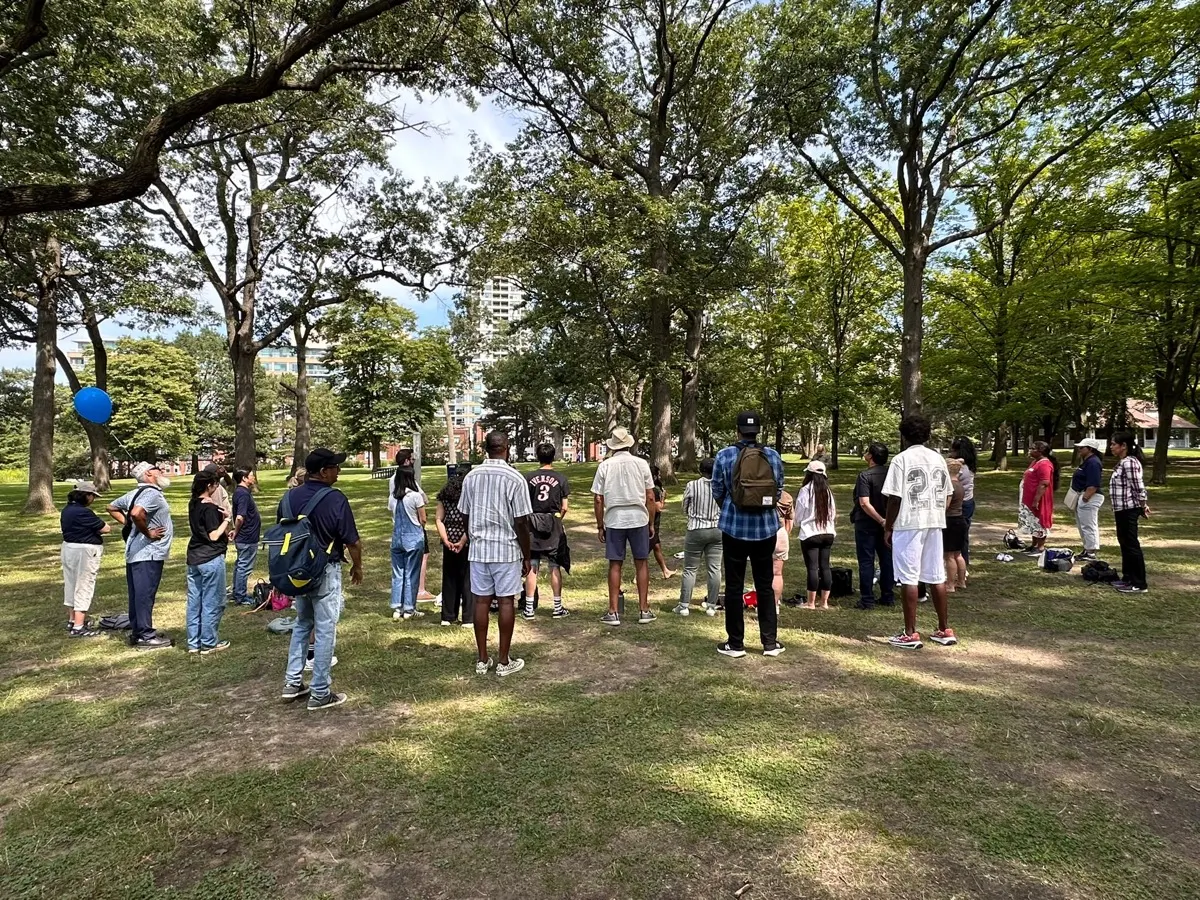
Practical life skills. How your benefits plan works and how to use it, led by HR or the plan provider. How to use the employee assistance program. Budgeting basics from a speaker your people trust. Spotting a phishing email, from your IT team. For fun lunch and learn ideas for work, add a skills swap: a colleague teaches ten minutes of something outside their job.
How do you choose a topic people will turn up for?
Ask them. Send a short list of three or four topics with a line for a suggestion, and give the session to the one that gets the most votes. People attend what they chose, and the answers tell you what is weighing on the team this quarter.
Match the topic to the moment. A session on focus time lands better in a heavy month than a quiet one, and one on difficult conversations suits the weeks after a reorganization. Keep the subject about the work, not about anyone's health: nobody should feel diagnosed by a calendar invitation.
Check the calendar before you book. A session on stress the day before a deadline reads as one more demand. One topic, one idea and one practice is plenty for an hour.
How do you host a lunch and learn?
Fix a start, a finish and one objective, then plan the food, the room and the speaker around them. Keep it to 45 to 60 minutes, start a few minutes after people have sat down with food and end on time, because a session that runs over is the quickest way to lose next month's audience.
A simple shape works: five minutes to settle and eat, twenty to thirty of content, ten of practice and the rest for questions. Order food early, label it, ask about dietary needs in the invitation and hold the date for the same slot each month so people can plan around it.
Choose between an internal speaker and a facilitator. A colleague is a good fit for benefits, IT or how a process works. A facilitator suits a subject that needs practice or care, such as stress or recovery, which is why OHA leads workshops of 45 to 60 minutes sized for a lunch hour, in your office, in English or French (see how they fit into a wellness day for employees).
Plan for hybrid and bilingual teams from the start. Put a camera on the speaker, give someone the job of reading the chat, and send any materials in both languages. If people take part in French, offer the session in French rather than relying on a handout.
What makes a lunch and learn useful rather than a box ticked?
One practice people use that afternoon, and a follow-up. End by asking each person to pick one thing they will try before the end of the day, whether that is a breathing exercise, a shorter meeting or a different way of opening a hard conversation.
Follow up a week later with one short message: what did you try, what would help it stick? Use the answers to choose the next topic. Attendance is not the goal; it only tells you who was in the room, not what changed.
A lunch and learn also works best next to action on the load itself. If people keep asking for a session on stress or focus, the better question may be what in the work keeps producing it, and that deserves a conversation with the team, not only a lunch.
What OHA does about this
OHA leads practical workshops of 45 to 60 minutes, sized for a lunch hour, on stress at work and recovering during the day, in your office, in English or French. They are designed to help a team practise something together; measuring what weighs on its capacity is the next step. To plan one, contact OHA and get a quote within one business day.